
Search
News - Blog RSS Feed
-
 September 29, 2026The benefits of community — belonging, accountability, encouragement, someone noticing when you are off — still come mostly from shared physical space and repeated time together.Read More
 -
 September 8, 2026More than one in every four children living in Vigo County (26.8%) – that’s approximately 5,830 children right here in our community – is food insecure. That is the second-highest child food insecurity rate in the entire state of Indiana, and significantly higher than both our seven-county service area rate of 24.3% and the statewide rate of 20.7%. Those numbers should concern everyone invested in the health and future of this communityRead More
 -
 August 5, 2026Between packed schedules, screen time and the everyday pressures of growing up, kids today carry more stress than many adults realize. Yoga offers a simple, low-cost way to help. Once thought of mainly as an adult activity, yoga for kids has become a fixture in classrooms, studios and youth programs across the country. And the research backing it up keeps growing.Read More
 -
 June 24, 2026Grocery prices remain elevated, making it harder for many families to afford healthy meals. Meal planning, shopping sales and reducing food waste can help stretch a tight food budget. Budget-friendly staples such as beans, rice, oats, eggs and frozen vegetables offer good nutrition at a lower cost. Food assistance programs and local food banks can provide critical support during difficult times. Terre Haute Catholic Charities Foodbank helps individuals and families in the Wabash Valley access nutritious food when they need it most.Read More
 -
 June 15, 2026Each summer, the school bells go silent, the buses stop running and for millions of children the meals stop coming, too. For kids who rely on free or reduced-price school lunches, summer break is a long, hot, difficult gap between the last meal of the school year and the first one of the next.Read More
 -
 May 2, 2026Grocery bills that once felt manageable have crept and climbed into genuinely painful territory. Rent eats a larger share of every paycheck. Health insurance premiums are spiking for the third straight year. And wages, for most workers, haven't come close to keeping up. The affordability crisis that politicians debated for years is no longer a future threat. It's the present reality for your neighbors, your coworkers and the families quietly stretching every dollar just to get through the week.Read More
 -
 March 24, 2026There was a time when getting kids to come inside was the hard part. Bikes left in the driveway, games of tag that stretched until dusk and pickup basketball or backyard adventures filled long afternoons. Today, for many families, the bigger challenge is pulling kids away from screens. As screen time rises and outdoor play becomes less routine, physical activity matters more than ever. Movement helps children build healthy bodies, stronger focus and emotional resilience — and with support from families and community spaces such as Ryves Youth Center, it can still be a natural, joyful part of childhood.Read More
 -
 March 2, 2026Housing is often called a social determinant of health — and for good reason. When someone doesn't know where they'll sleep tonight, the consequences go far beyond discomfort. Housing instability can disrupt sleep, medications, routines, school attendance, work, nutrition and access to medical care.Read More
 -
 March 2, 2026The glow of screens has become as familiar to children as playground equipment once was. Tablets at breakfast, phones during car rides, laptops for homework — digital devices now accompany kids through nearly every part of their day.Read More
 -
 March 2, 2026When you think about helping your local foodbank, you might picture heavy cardboard boxes filled with canned peas, jars of peanut butter and boxes of macaroni and cheese. But while these physical donations are a warm testament to community spirit, the reality of modern hunger relief has shifted. If you truly want to move the needle on food insecurity, your most potent weapon isn’t found in your pantry — it’s in your wallet.Read More
 -
 January 16, 2026As the calendar year draws to a close, many individuals and families look for meaningful ways to give back while also taking advantage of potential tax benefits. Year-end charitable giving offers a unique opportunity to align generosity with smart financial planningRead More
 -
 January 16, 2026Every winter, communities across the United States brace for colder temperatures, shorter days, and the difficult realities faced by people experiencing homelessness. As temperatures drop, the risks increase.Read More
 -
 January 16, 2026Life is busy, and the idea of committing to a long-term volunteer role can feel daunting. The good news is that making a significant impact doesn't require a huge time commitment.Read More
 -
 September 11, 2025Every September, communities across the country rally to raise awareness about hunger and take impactful steps to reduce it. This is Hunger Action Month — a chance to learn the facts, share them, and turn concern into real support for neighbors who are struggling to put food on the table. This September, let’s take a closer look at this yearly observance, the state of hunger in the US and here in Indiana, and how you can help build a better future for your community.Read More
 -
 September 10, 2025The hours between the last school bell and dinnertime can be a make-or-break window for academic growth, safety and a child’s sense of belonging. High-quality after-school programs fill that gap — offering homework help, caring mentors and enrichment activities that nurture the whole child. Back-to-school season is the perfect time to decide where your child will spend those critical afternoon hours.Read More
 -
 August 5, 2025One of the most effective ways to honor the month is by taking decisive action against child hunger.Read More
 -
 June 16, 2025Summer’s magic lies in its open-ended days. A little planning turns that blank calendar into a highlight reel of laughter, learning, and fresh air. Check out our summer activity ideas for fun anytime and anywhere.Read More
 -
 April 23, 2025Social media has become a significant part of everyday life, particularly for children and teenagers. While these platforms can foster community and creativity, they also carry risks that can impact young people’s well-being. Excessive social media use, especially without proper guidance, may lead to increased anxiety, depression, and a distorted self-image. As a parent, you can play a vital role in helping your child develop a balanced relationship with social media and protecting their mental health.Read More
 -
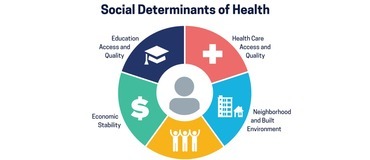 April 23, 2025Social determinants of health encompass the social, economic, and environmental factors that shape our well-being. These factors may include safe housing, access to healthy foods, reliable transportation, educational opportunities, and employment stability, among others. When these crucial elements are lacking, people often encounter barriers that can lead to heightened health risks and deeper inequalities.Read More
 -
 March 27, 2025National Volunteering Month is the perfect time to strengthen your ties to the people and places you cherish. By donating just a few hours each week, you can help neighbors in need, broaden your own skill set, and foster meaningful connections within your community. If you’re looking for ways to get started, consider these hands-on opportunities and tips to make a tangible difference.Read More
See More
March 27, 2025National Volunteering Month is the perfect time to strengthen your ties to the people and places you cherish. By donating just a few hours each week, you can help neighbors in need, broaden your own skill set, and foster meaningful connections within your community. If you’re looking for ways to get started, consider these hands-on opportunities and tips to make a tangible difference.Read More
See More