
Winter Homelessness: How Emergency Shelters Prepare for Winter and How You Can Help
-
 January 16, 2026
Winter Homelessness: How Emergency Shelters Prepare for Winter and How You Can Help
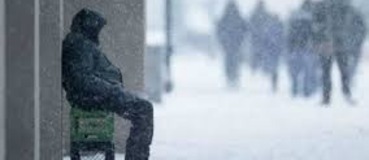
Every winter, communities across the United States brace for colder temperatures, shorter days, and the difficult realities faced by people experiencing homelessness. As temperatures drop, the risks increase. Hypothermia, frostbite and chronic health complications can strike quickly, turning a cold night into a life-threatening emergency. That’s why emergency shelters spend months preparing for the winter season - strengthening services, providing additional resources and ensuring vulnerable neighbors have a safe place to stay.
Understanding how these shelters operate during the coldest months can help you better support their efforts. In this article, we’ll explore the hardships of homelessness in winter, key ways emergency shelters prepare for this season and what you can do to make a meaningful impact.
How Winter Intensifies Homelessness
Cold weather magnifies every challenge of homelessness. Staying warm becomes a full-time task. Accessing transportation, safe places to rest and reliable meals becomes more complicated. Health conditions worsen, especially for older adults and people with ongoing medical needs.
Winter homelessness is also tied to:
Increased emergency room visits related to cold exposure
Higher demand for shelter beds, often exceeding capacity
Greater need for warm clothing, sleeping bags, blankets and hot meals
Higher barriers to safety, as people may avoid walking long distances in freezing temperatures
Seasonal shifts that worsen mental health, including increased depression and anxiety, making it harder to seek services or stay safe
For families, single adults and youth, having a warm place to stay can mean the difference between danger and stability during the holiday season.
How Emergency Shelters Prepare for Winter
Shelters know that winter will bring a surge in need, so preparations often begin long before the first snowflake falls. These widely practiced strategies help ensure that no one is left out in the cold.
Increasing Bed Capacity
One of the most urgent winter priorities is expanding shelter capacity. Some organizations:
Convert community rooms into temporary sleeping areas
Coordinate with local agencies to open warming centers
Extend hours or move to 24/7 models during extreme cold
Add more family rooms to support parents with young children
This flexibility helps shelters meet rising demand for safe, warm housing.
Stocking Winter Supplies
Staying warm requires more than a roof. Winter preparedness means stocking up on:
Heavy coats, gloves, hats and scarves
Thermal socks and insulated boots
Blankets, sleeping bags and cots
Toiletries and hygiene items
Cold-weather medical supplies
These items are crucial for guests staying overnight and for outreach teams serving people who remain outdoors.
Strengthening Outreach Efforts
Outreach teams play a lifesaving role during winter. They connect with people living outdoors, offer supplies and encourage them to seek shelter. During the cold months, outreach workers:
Make more frequent visits to camps or areas where people gather
Share information about warming centers and cold-weather shelter policies
Provide transportation to shelters when temperatures fall below freezing
Offer crisis services, mental health support and safety checks
Their goal is to reduce exposure and ensure that individuals know help is available.
Enhancing Health and Safety Measures
Winter increases health risks, so shelters adjust their protocols to protect guests by:
Monitoring for symptoms of hypothermia, frostbite and respiratory illness
Providing access to warm meals and hydration
Ensuring changes of clothing for guests who arrive wet or cold
Offering on-site or referral-based medical care
Shelters also update emergency plans for severe storms or power outages, ensuring they can continue operating even in dangerous weather conditions.
Coordinating With Community Partners
Winter response depends on community collaboration. Shelters often work closely with:
Churches and faith-based organizations
Local government and public health departments
Food banks and clothing pantries
Volunteer groups and civic organizations
These partnerships strengthen the safety net and distribute resources where they’re needed most.
How You Can Help Your Community During Winter
Winter shelters do incredible work, but they can’t meet the growing need alone. Community members play an essential role in ensuring everyone stays warm, safe and supported.
Here’s how you can make a difference this season.
Donate Essential Winter Items
Shelters rely heavily on donations, especially when cold weather hits. High-impact items include:
Warm coats, gloves, hats, scarves and socks
Blankets, quilts and sleeping bags
Hygiene kits and travel-size toiletries
Hand warmers and thermal layers
Nonperishable food items
New or gently used gear helps people facing winter homelessness stay warm both in shelters and out in the community.
Give Financial Support
Financial contributions help shelters prepare for unpredictable winter surges. Donations may support:
Emergency shelter beds
Outreach services
Meals and food supplies
Utility costs and heating expenses
Case management and long-term support
Even small gifts can help a shelter reach more people during the coldest months.
Volunteer Your Time
Winter is one of the busiest seasons for shelter staff. Volunteers can assist with:
Sorting donations
Preparing and serving meals
Welcoming and supporting shelter guests
Helping with administrative tasks
Assisting outreach teams with supply distribution
Your presence helps keep programs running smoothly and shows guests that their community cares.
Support Bethany House at Catholic Charities Terre Haute
This winter, you can help protect families and individuals who have nowhere else to turn. Bethany House, a program of Catholic Charities Terre Haute, provides emergency shelter, warm meals, case management and compassionate support for people experiencing homelessness in the Wabash Valley.
By donating funds, providing winter items, or volunteering your time, you can help Bethany House continue its mission to offer safety, dignity and hope during the coldest months. Your support ensures that no neighbor faces winter alone.
Here at Catholic Charities Terre Haute, we provide help and create hope by nourishing the minds, bodies, and spirits of children, families, adults and seniors. By collaborating with community partners, we provide nutritious food, safe shelter, quality youth programming and essential personal and household needs to our neighbors. Donate today to support meaningful community change!